






Science
What Causes Waves In The Sea?★0.0
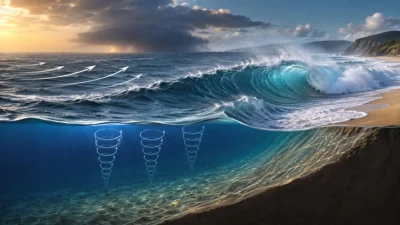
Ocean waves begin when energy disturbs the surface of the sea, and ...
Ocean waves begin when energy disturbs the surface of the sea, and the most common source of that energy is wind. As air moves across the water, friction and pressure variations create small ripples. Continued wind transfers more energy into the surface, ...

Why Do We Dream?★0.0
Sleep does more than give the body a chance to rest. While ...
Sleep does more than give the body a chance to rest. While the brain moves through different stages of sleep, it remains active, processing information, memories, emotions, and internal signals. Dreams are one result of this activity: vivid mental experiences that can ...

Why Does Sea Water Change Color?★0.0
Ocean water can appear deep blue, turquoise, green, gray, brown, or even ...
Ocean water can appear deep blue, turquoise, green, gray, brown, or even reddish depending on where you look and what is present in the water. The basic blue color comes from the way water interacts with sunlight: water absorbs more of the ...

How Does Sea Pollution Affect Marine Life?★0.0
Sea pollution affects marine life by changing the physical and chemical conditions ...
Sea pollution affects marine life by changing the physical and chemical conditions that ocean organisms depend on for survival. Plastic waste, oil, toxic chemicals, excess nutrients, and other pollutants can injure animals directly, contaminate habitats, reduce oxygen, interfere with reproduction, and alter ...

How Deep Is The Mariana Trench?★0.0
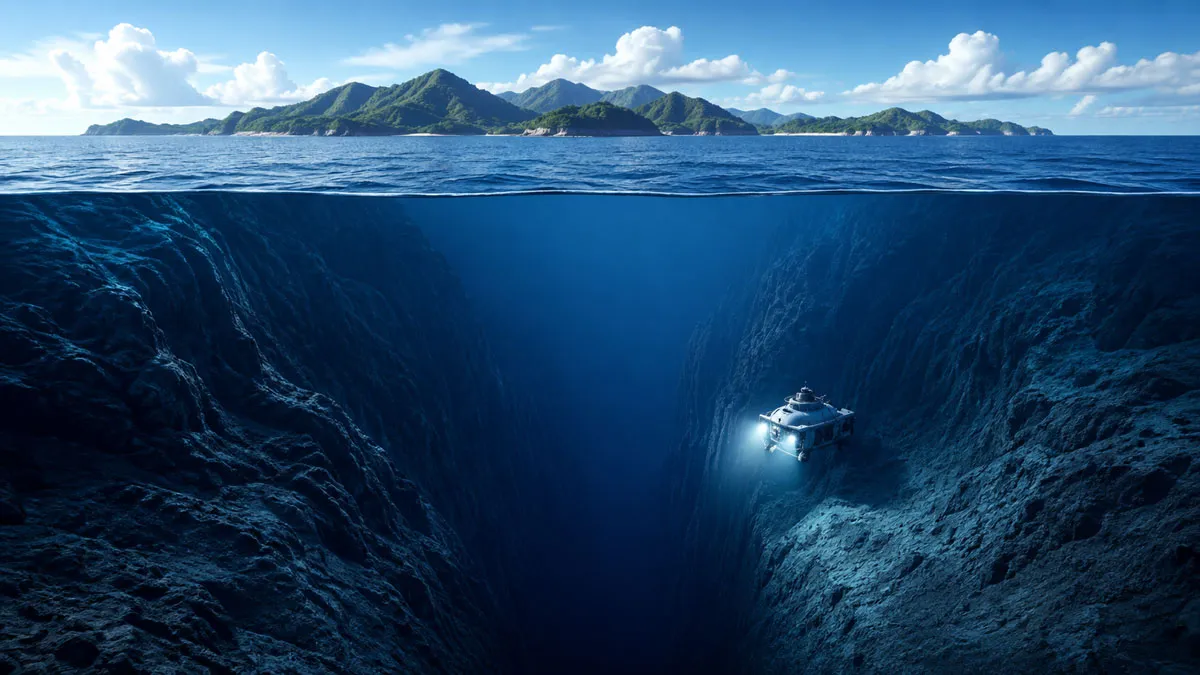
The deepest known point in the world’s oceans is found in the ...
The deepest known point in the world’s oceans is found in the Mariana Trench, a vast underwater depression in the western Pacific Ocean. At its deepest point, known as Challenger Deep, the seafloor lies approximately 10,935 meters (35,876 feet), or about 6.8 ...

Why Do We Yawn When Others Yawn?★0.0
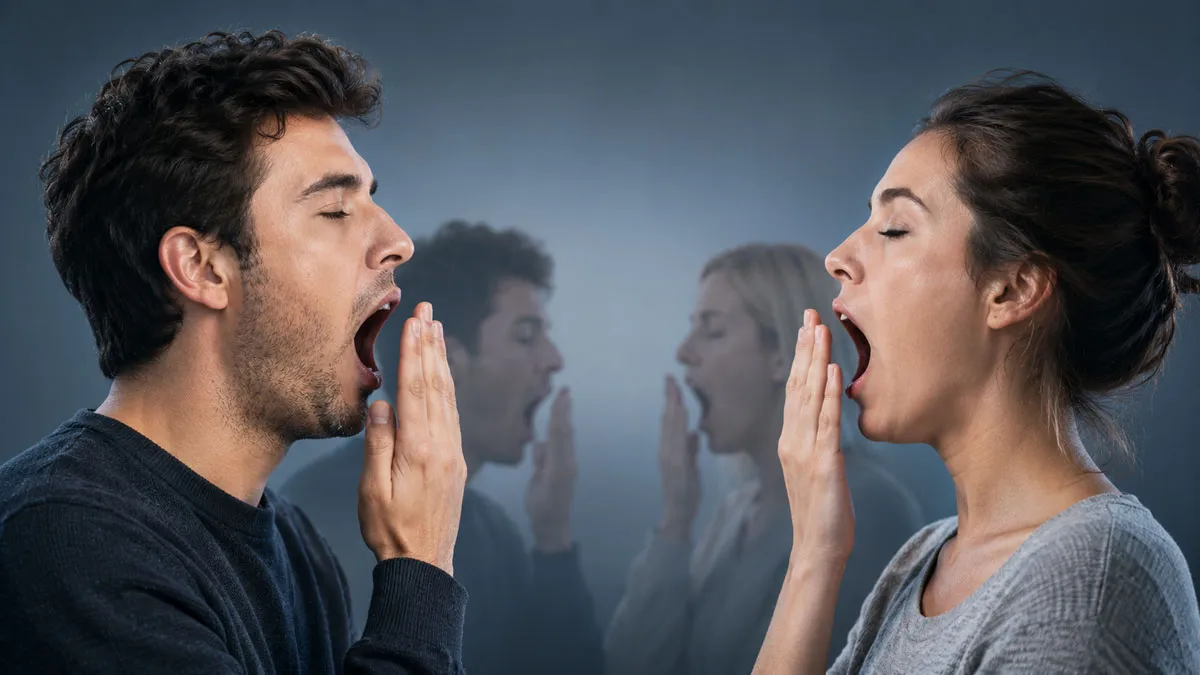
Seeing another person yawn can make you yawn almost immediately, even when ...
Seeing another person yawn can make you yawn almost immediately, even when you were not tired a moment earlier. This response is called contagious yawning, and it can happen after seeing, hearing, or even thinking about a yawn. Unlike an ordinary yawn ...

Why Don’t the Oceans Overflow?★0.0
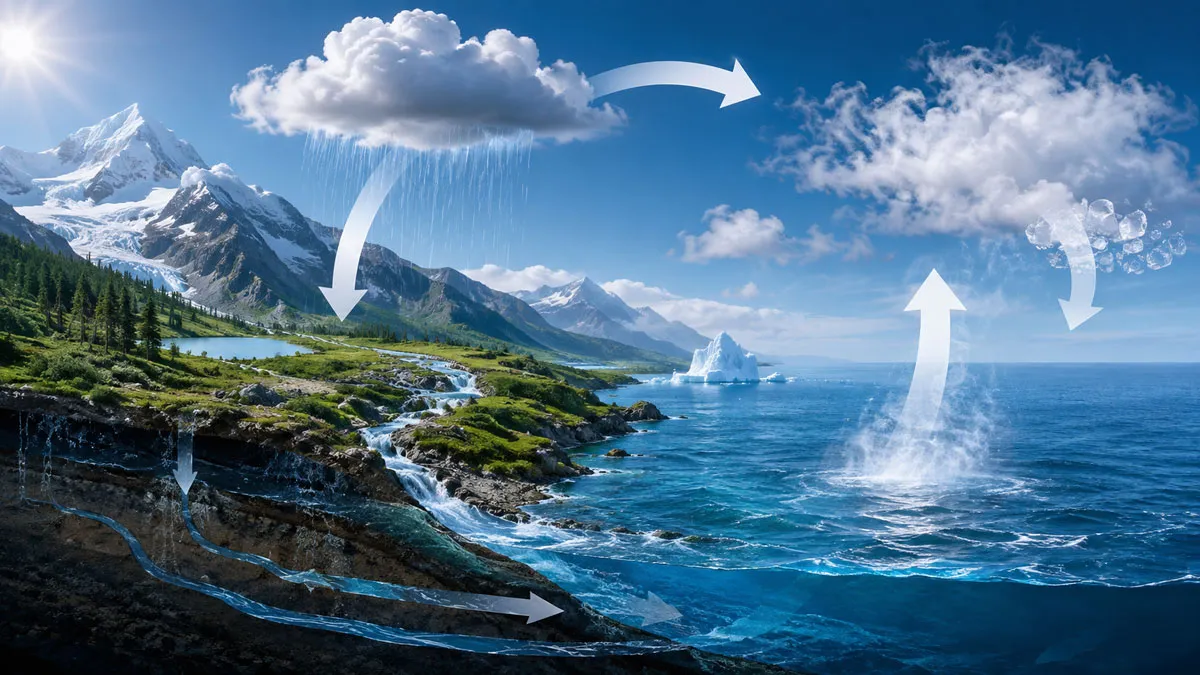
Rivers constantly carry water into the oceans, and rain falls on their ...
Rivers constantly carry water into the oceans, and rain falls on their surfaces, so why don't the oceans simply keep filling up? The answer lies in Earth's water cycle. Water is constantly moving between the oceans, atmosphere, land, and ice. While rivers ...
Why Do We Snore?★0.0
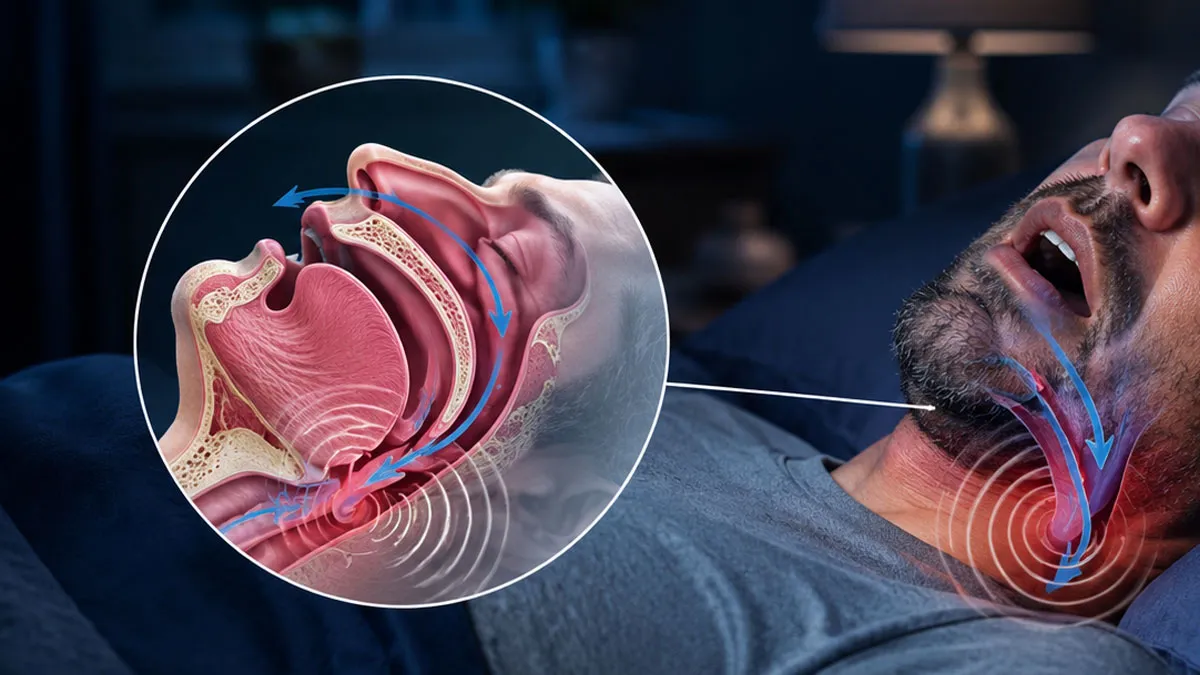
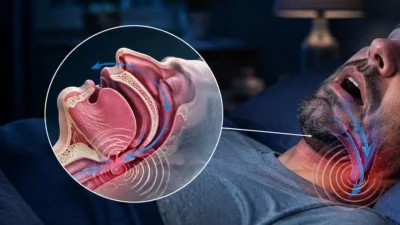
Snoring happens when air cannot move freely through the nose or throat ...
Snoring happens when air cannot move freely through the nose or throat during sleep, causing relaxed tissues in the upper airway to vibrate. The sound may be occasional or persistent, and it can become more noticeable when the airway is narrowed by ...
What Is The Difference Between A Sea And An Ocean?★0.0
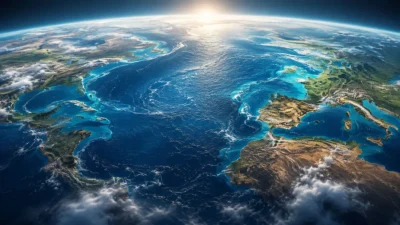
Although the words are often used interchangeably, a sea and an ocean ...
Although the words are often used interchangeably, a sea and an ocean are not quite the same thing in geography. An ocean is a vast, interconnected body of salt water that covers much of Earth’s surface, while a sea is generally a ...

What Is Found At The Bottom Of The Sea?★0.0
Far below the waves, the seafloor is much more than a flat ...
Far below the waves, the seafloor is much more than a flat layer of sand. Depending on the location, it can contain soft mud, sand, exposed rock, deep trenches, underwater mountains, volcanic formations, mineral deposits, and habitats filled with highly specialized animals. ...